Toxic burn chapter 6
Gallery

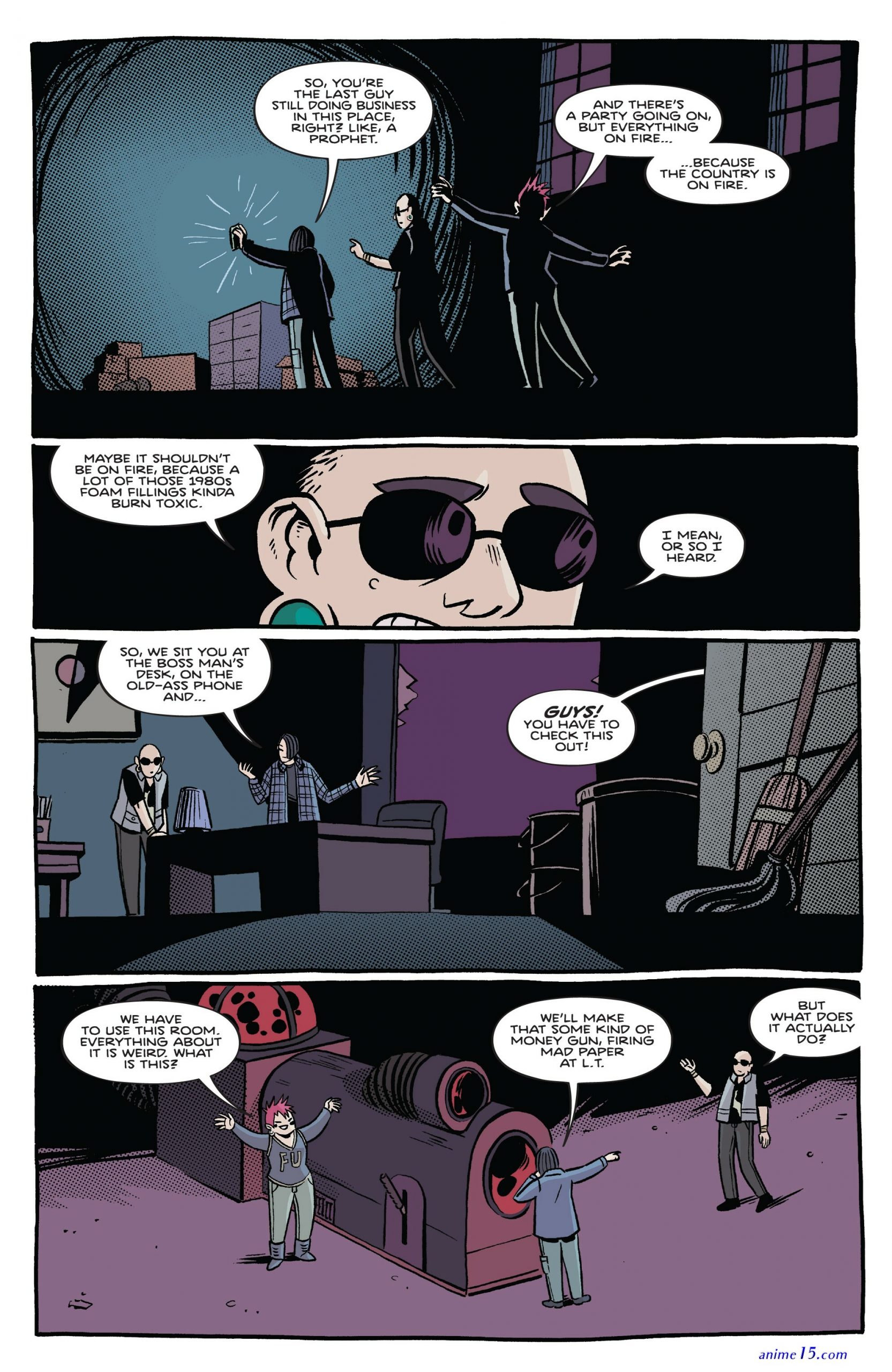


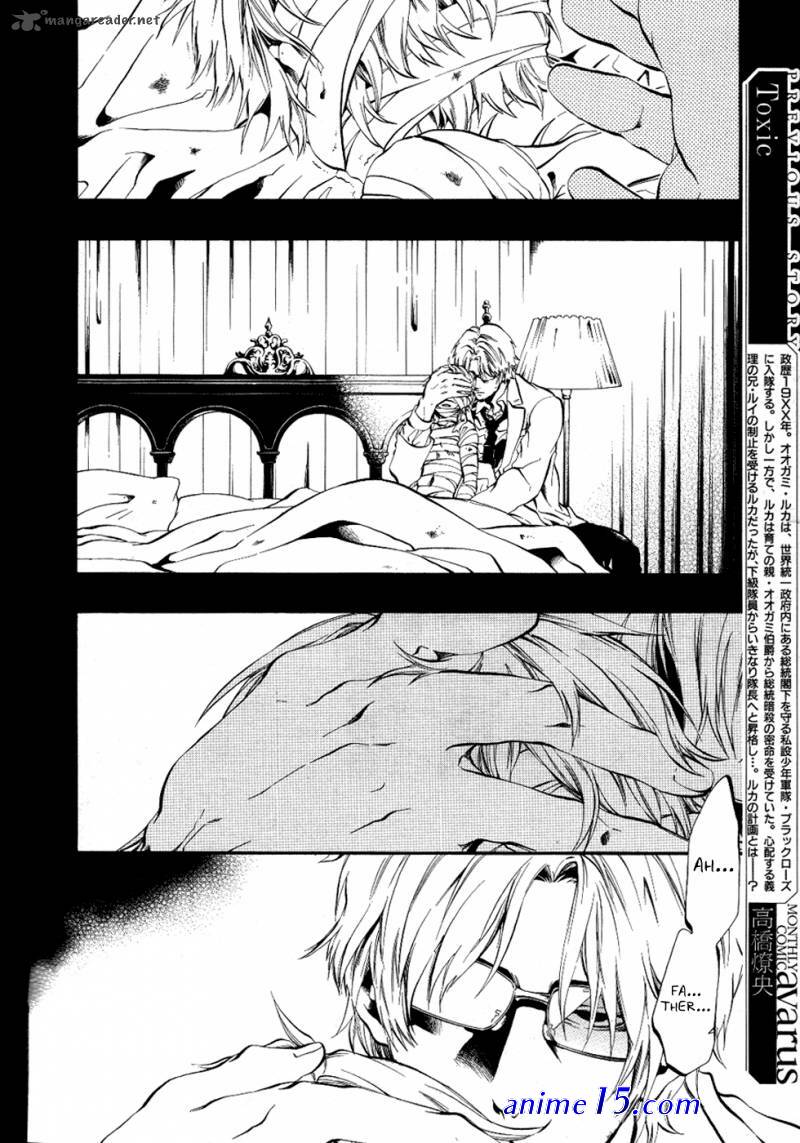
Read Toxic Burn Chapter 12..
you are viewing toxic burn – chapter 8 to follow this title and get a newest chapter when it release please click on the heart icon on bottom bar or the info panel on the left
you are viewing toxic burn – chapter 1 to follow this title and get a newest chapter when it release please click on the heart icon on bottom bar or the info panel on the left
you are viewing toxic burn – chapter 4 to follow this title and get a newest chapter when it release please click on the heart icon on bottom bar or the info panel on the left
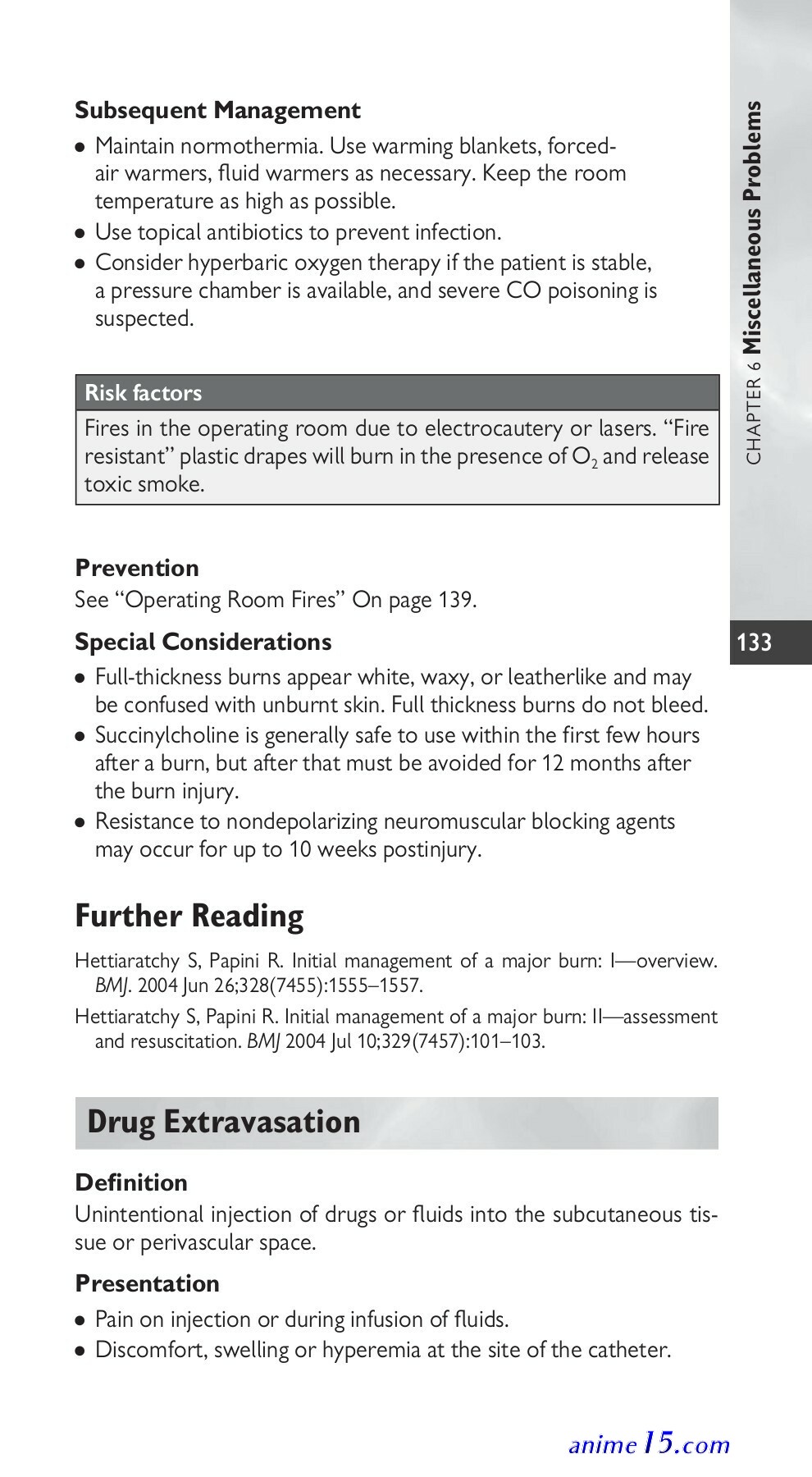
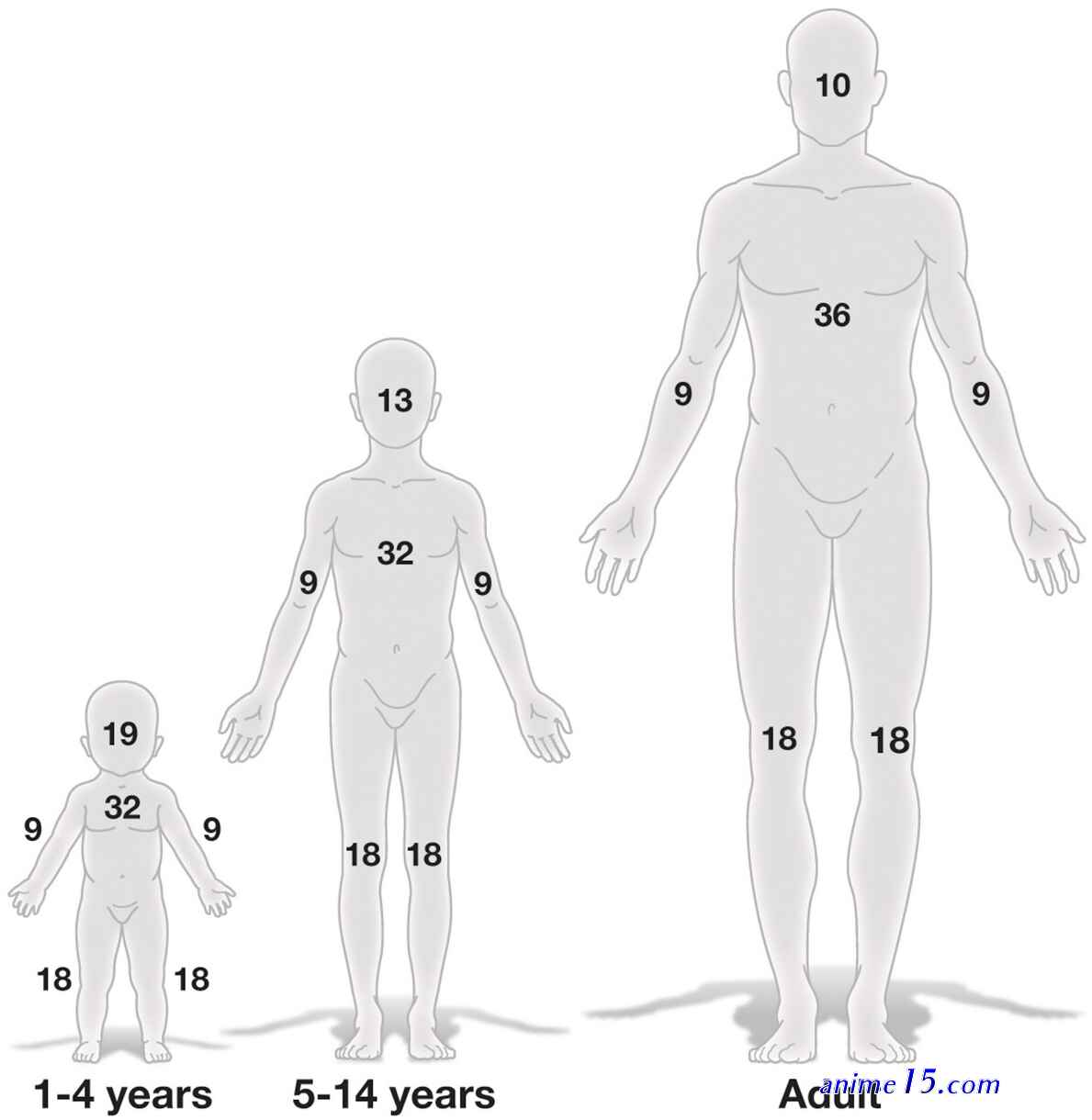
Chapter 11 Burns. An estimated 2 million burn injuries occur each year in the United States, resulting in 75,000 hospitalization and more than 3000 deaths.
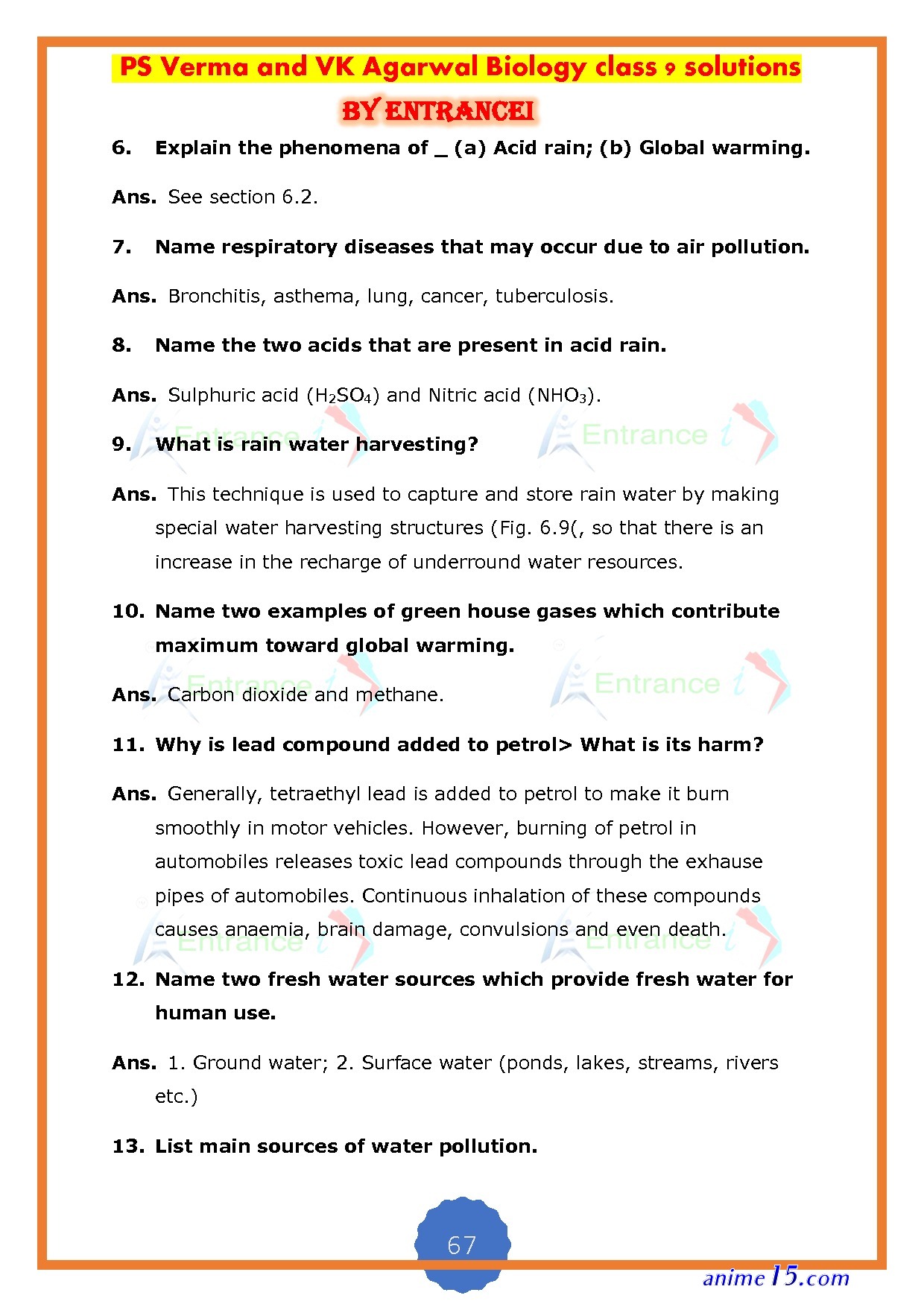
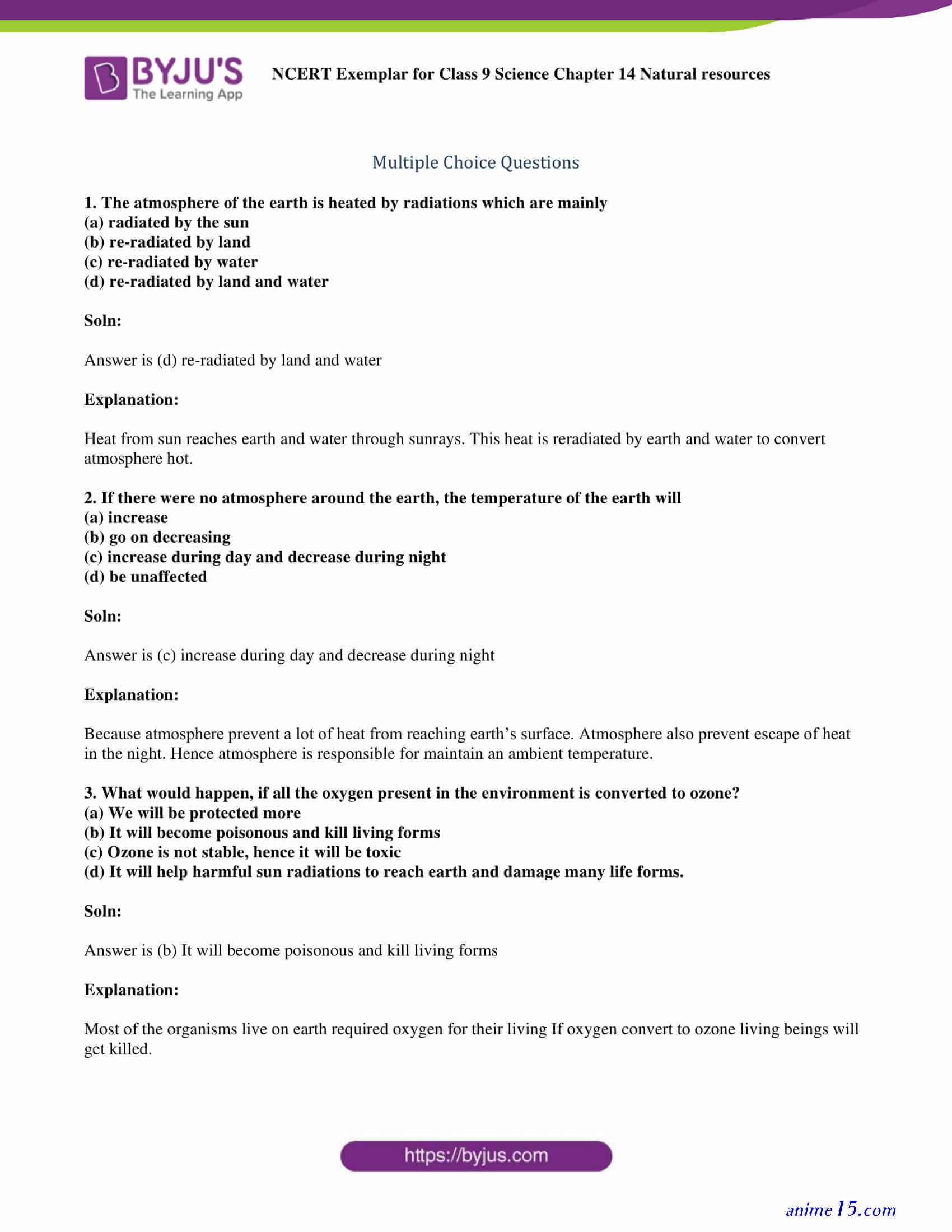
This page consist of in depth solution of PS Verma and VK Agarwal Biology class 9 solutions Chapter 6-Natural Resources prepared by academic team of Entrancei.
1402 Hybrid Firefighter II 6th Edition Chapter 4 \u2014 Building Construction South Carolina Fire Academy.
Recent misuses of power in politics, corporate and religious arena have invigorated interest in dark side of leadership. This chapter sheds light on a menacing type of dark leadership—toxic leadership. Owing to the dearth of a comprehensive delineation of “toxic” leadership from its related phenomena, this chapter addresses the paucities and clarifies the nature, process, reasons and consequences of “toxic” leadership. It reviews, summarizes and integrates the existing literature on toxic leadership to draw nomological distinctions amongst different constructs of dark leadership and eventually presents stimulators and behavioral symptoms of toxic leadership. Few contemporary myths and detoxification measures are discussed to combat toxicity in a leader for a sustainable organization. The goal of the chapter is to reach our readers’ curiosity, enhance their frame of reference and bring new insights to educate them by providing guidelines and awareness about toxic leadership.
An extensive literature available does not put toxic leadership in the normal category of impaired mental health, evil intentions or casual mismanagement. However, it could be construed as maliciously intended leadership behaviors that spitefully burn down efficiency and enthusiasm of the subordinate in inevitable ways.
Our empirically doctoral research on the dimensions of toxic leadership in Indian IT professionals deciphered the construct as a multidimensional construct. It could be described as “those narcissist, self-promoting leaders who by their derisive supervision, managerial incompetency and erratic behaviors intentionally tend to erode their self-esteem, burn out their employees, breed counterproductive performing subordinates and future overbearing bosses.” Toxic leaders’ authoritative and abusive methods not only present long-term risk for the organization but also trickledown to the society and the nation.
One of the most fascinating findings of a recent study by Life Meets Work revealed that 68% of employees working for an over-demanding, self-promoting and self-centered boss are highly engaged, compared to just 35% of workers reporting to nontoxic leaders. In addition, employees working for a toxic leader stay working for those bosses for an average of 7 years, compared to just 5years for employees who work for someone less demanding.
Related posts:
 An omega s love affair manga 27
 Homeroom affairs
 Assistir cobra kai 2×7
 Sexy anime girls upskirta pics
 The great cleric 21
 调教色情漫画 全国所有女生必须裸体
 Impregnation manga list
 Live cam noah and morgan
 Jade growing up again download
 Jab comics mom
 Shinigami wa korosenai cuantos capitulos tiene
 Porn comics sleeping
 Yari movil
 Lk21 fate zero season 2
 Bunkou no hitotachi
 What does the fox say